
Reviewed · PODGORICA TOURS
MONASTERY TOUR – Impressive Montenegrin Monasteries
Monasteries rarely come this close together. This private, seven-hour outing links four very different religious sites around Podgorica and Danilovgrad, from a cave chapel to the monumental Cathedral of Christ’s Resurrection and the cliffside Ostrog Monastery. I like the personal pickup and the chance to travel with guides such as Tamara, Ivan, Lidia, Darko, and Moawyah, who are praised for careful driving and clear explanations. I also like that the route goes beyond Ostrog, giving you a broader view of Montenegro’s religious culture.
The main thing to consider is the pace. The listed visits add up to about four hours and 25 minutes, leaving the rest of the seven-hour day for driving, pauses, and possibly lunch. Ostrog can be crowded, and the mountain setting may be tiring if you have knee or mobility problems. Guides have helped with access and breaks, but you should discuss your needs before booking.
In This Review
- Key points at a glance
- Why this monastery route works so well
- Dajbabe Monastery and its cross-shaped cave
- The Cathedral of Christ’s Resurrection in Podgorica
- Ždrebaonik, a convent shaped by survival
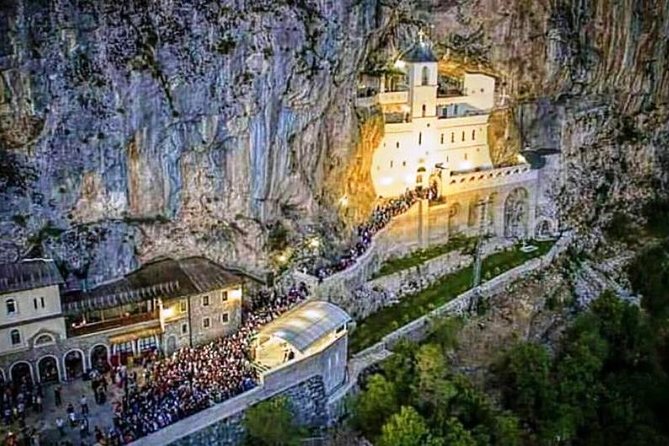
- Ostrog Monastery at 900 meters
- Seven hours, private transport, and the real value
- Who should book this experience?
- Should you book the Montenegrin monasteries tour?
- FAQ
- Where does the monastery tour start?
- How long does the tour last?
- How much does the tour cost?
- Which monasteries and churches are included?
- Is this a private tour?
- Is the tour offered in English?
- Are entrance fees included?
- Is pickup included?
- Can I cancel for a full refund?
Key points at a glance
- A cave monastery begins the day: Dajbabe is shaped into a natural rock formation in the form of a cross.
- Four contrasting religious sites: You see Dajbabe, the Cathedral of Christ’s Resurrection, Ždrebaonik, and Ostrog.
- Private transport keeps the day flexible: Only your group participates, with pickup arranged where you prefer.
- Ostrog is the dramatic finish: The monastery is carved into steep rock at about 900 meters above sea level.
- Guides add more than directions: Tamara, Ivan, Lidia, Darko, and Moawyah have been praised for history, culture, kindness, and safe driving.
- The price reflects a private full-day outing: At $132.53 per person, value improves when shared by two or more people.
Why this monastery route works so well
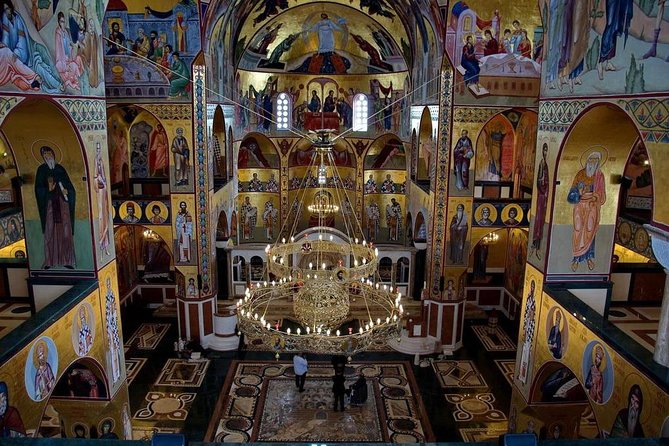
Montenegro is compact, but its religious sites are not all alike. A quick trip to Ostrog alone gives you the famous photograph and the strongest dramatic setting. This tour gives you a better sense of how Orthodox religious buildings can range from a cave adapted by hand to a large modern church covered in elaborate decoration.
I like the order of the route. Dajbabe is small, unusual, and quiet in concept. The Cathedral of Christ’s Resurrection then gives you a very different urban and modern monument. Ždrebaonik adds a more intimate convent setting before Ostrog provides the grand finale.
The private format matters here. You are not tied to the interests or walking speed of a large group. Guides have adjusted the day for individual needs, arranged pauses, and helped people with difficult knees. That does not turn the route into a fully accessible outing, but it does give you a better chance of seeing the sites at a comfortable pace.
Pickup is offered wherever you prefer, and there is also an option to depart from Kotor or Budva. The tour is offered in English. Confirmation is sent within 48 hours of booking, subject to availability, so do not leave this to the last minute if your schedule is tight. The activity is often booked around 56 days ahead.
A couple more Podgorica trips worth weighing up
- Skadar Lake National Park Guided Boat Tour with Wooden Boat
★ 5.0 · 91 reviews - Best from our coast (Kotor bay, Budva, Sv Stefan, Skadar lake)
★ 5.0 · 79 reviews - GREAT MONTENEGRO TOUR Cetinje – Njeguši – Kotor – Budva – Bečići – Saint Stefan
★ 5.0 · 69 reviews
Dajbabe Monastery and its cross-shaped cave
Your first stop is Dajbabe Monastery, with about one hour here. Its appeal is not size or grand decoration. The monastery was made through a partnership of rock and human work, with a religious space adapted inside a cave shaped like a cross.
That makes Dajbabe an excellent first stop. You begin with something unusual and personal rather than a large, formal building. The site introduces the idea that Montenegrin religious places can be shaped by the terrain itself.
The description calls Dajbabe a secret monastery, which captures its more secluded character. You should expect a place where the physical setting is central to the experience. Your guide can explain how the cave functions as a sacred space and place it within the wider story of Montenegro.
Admission is listed as free. The visit lasts one hour, though your exact time may depend on the day’s driving conditions and how your private group wants to proceed.
The Cathedral of Christ’s Resurrection in Podgorica
After Dajbabe, the route shifts from an old cave setting to the modern Saborni Hram Hristovog Vaskrsenja, also called the Gathering Church of Christ’s Resurrection. You have about 45 minutes here.
This church is presented as the new sacred symbol of Podgorica, creating a deliberate contrast with Dajbabe. The building took 20 years to complete and uses techniques that had not been used for eight centuries. That detail alone gives your guide useful material to explain, especially if you are interested in architecture as well as worship.
The cathedral is described as unique in its monument and architecture. It is also richly decorated, so this stop gives you a more formal and visually elaborate church experience than the cave monastery.
I would pay attention here to the change in scale and purpose. Dajbabe feels adapted to its setting. The cathedral makes a public statement in the city. Seeing both in one morning helps you understand the range of Orthodox religious architecture in Montenegro without needing a specialist vocabulary.
Admission is free, and the shorter stop keeps the day moving. If you prefer long, quiet visits inside churches, 45 minutes may feel brief. For most people, it is enough time to look around and hear the main points before heading toward Danilovgrad.
Ždrebaonik, a convent shaped by survival
The next stop takes you toward Danilovgrad and Ždrebaonik Monastery. Plan on about one hour. This is a women’s monastery with a library, dormitories, and spaces where nuns make icons and souvenirs.
Ždrebaonik brings a human scale to the route. Instead of seeing only an impressive building, you get a picture of a working religious community. The details about the library, living quarters, icons, and souvenirs make this stop useful for understanding how the monastery functions.
Its past is also central. The monastery was burned and demolished in every war that occurred in the area, yet it was rebuilt and remains in use. I find that more meaningful than simply hearing that a site is old. It shows how religious places can survive repeated damage and remain part of local life.
Several people have especially appreciated this smaller monastery, sometimes finding it more intimate than the larger Ostrog stop. That is worth keeping in mind. The most famous site is not always the one that gives you the clearest sense of everyday devotion.
You may have time for a break or lunch during the wider journey. One guide arranged a lunch stop with a fine view, and another included regular pauses. Lunch is not listed as part of the tour price, so you should expect to pay your own personal expenses.
Away from the bay entirely, a different side of Montenegro:
- Skadar Lake National Park: Guided Boat Tour to Kom Monastery
★ 4.5 · 49 reviews - Durmitor – Black Lake & Tara River Canyon – North Montenegro tour
★ 5.0 · 41 reviews - Private transfers from Podgorica Airport and city to Budva
★ 5.0 · 41 reviews - Podgorica Historic, Safari and Winery tour – Skadar lake and River Crnojevica
★ 4.5 · 39 reviews
Ostrog Monastery at 900 meters
Ostrog is the final stop and receives about one hour and 40 minutes. It is carved into steep rock at approximately 900 meters above sea level, making it the most dramatic setting of the day.
This is the site most people already know by name, and it is easy to see why. The monastery appears to grow out of the cliff, combining a powerful natural setting with a major pilgrimage tradition. It is regarded as one of the most visited pilgrimage sites in the Balkans.
The monastery attracts people of many religions because of its reputation for healing and spiritual change. You do not need to share those beliefs to appreciate the strength of the place. The setting, the route up, and the sense of devotion give Ostrog a seriousness that a quick photo stop would miss.
The tour description lists Ostrog as one stop, while the experience can include both upper and lower sections. Ask your guide how the visit will be handled on your date. Access may involve walking and waiting, and crowds can make the stop slower than expected.
That crowd issue is the clearest drawback in an otherwise strong route. The private vehicle gives you control over the day, but it cannot remove congestion at a major pilgrimage site. If you have arthritis or another mobility concern, tell the operator in advance. A guide has helped an older participant past access points and arranged breaks, but this should not be taken as a guarantee of effortless access.
Seven hours, private transport, and the real value
The advertised duration is about seven hours. The four scheduled stops account for roughly four hours and 25 minutes, so the remaining time covers transport between sites, possible pauses, and the day’s general rhythm.
That distinction matters. This is not four hours of nonstop sightseeing. It is a road outing, and Montenegro’s monastery route depends on moving between Podgorica, Danilovgrad, and the mountain setting of Ostrog. An air-conditioned vehicle is included, along with fees and taxes.
At $132.53 per person, the cost is not the cheapest way to see one church. But that is the wrong comparison. You are paying for a private vehicle, a driver-guide, hotel or preferred-location pickup, several sites, and a full day of explanation. For a couple or small group, the private arrangement can be good value because you are not sharing the schedule with strangers.
Personal expenses are not included. That covers items such as food and souvenirs, so allow extra money if you want lunch or an icon from Ždrebaonik.
The private setup is also valuable for conversation. Guides have discussed Montenegro’s history, society, religion, and culture during the drives, not only at the monuments. Ivan was praised for making the day feel like a relaxed trip with a friend, while Tamara was repeatedly praised for her English, kindness, and ability to adjust the tour to individual needs.
The guide quality is not identical by default, since several guides operate this experience. Tamara receives especially warm praise for her detailed explanations and careful driving. Moawyah is also praised as a cautious driver and an engaging companion. Lidia has guided in Spanish, and Darko’s polite service and English were appreciated, though one assessment noted room for improvement. If a particular guide matters to you, request that person before booking, but availability is not guaranteed.
Who should book this experience?
I would choose this tour if you want more than the standard Ostrog excursion. The route gives you four different settings and enough time to hear why each place matters. It is especially suitable for couples, families, and small groups who value privacy and do not want to coordinate transport themselves.
It also suits people who want cultural context rather than only photographs. Guides explain religion, architecture, local history, and present-day society, which makes the drive time useful instead of empty.
You should think twice if you dislike road-based sightseeing, need a very slow walking pace, or want a purely secular architectural tour. The route is religious in focus, and Ostrog may be crowded. The seven-hour schedule is substantial, though private transport and planned breaks make it easier to manage.
Wear clothing suitable for entering religious sites. The supplied details do not specify a dress code, so asking your guide before departure is sensible. Service animals are allowed, and most people can participate, but specific mobility concerns should be raised early.
The tour requires good weather. If poor weather forces cancellation, you are offered another date or a full refund. You can cancel for a full refund up to 24 hours before the start time. Changes or cancellations made less than 24 hours before departure are not accepted, based on local time.
Should you book the Montenegrin monasteries tour?
Book it if you want a private, well-explained day that places Ostrog in a wider Montenegrin setting. The strongest reasons are the unusual Dajbabe cave, the surviving convent at Ždrebaonik, the contrast with Podgorica’s modern cathedral, and the care shown by guides such as Tamara and Moawyah.
If your only goal is to see Ostrog quickly, this route may feel longer than necessary. If you want variety, personal attention, and a guide who can connect religion with everyday life in Montenegro, the $132.53 price is sensible for a private seven-hour outing. Just allow for crowds, extra food costs, and a full day on the road.
FAQ
Where does the monastery tour start?
Pickup is offered wherever you prefer. The tour also has an option for departure from Kotor or Budva.
How long does the tour last?
The tour lasts approximately seven hours.
How much does the tour cost?
The listed price is $132.53 per person.
Which monasteries and churches are included?
The route includes Dajbabe Monastery, the Cathedral of Christ’s Resurrection in Podgorica, Ždrebaonik Monastery, and Ostrog Monastery.
Is this a private tour?
Yes. Only your group participates in the activity.
Is the tour offered in English?
Yes. English is one of the available tour languages.
Are entrance fees included?
All fees and taxes are included, and admission is listed as free at each scheduled stop.
Is pickup included?
Yes. Pickup is offered, with the meeting location arranged according to your preference.
Can I cancel for a full refund?
You can cancel up to 24 hours before the start time for a full refund. If poor weather causes the operator to cancel, you are offered a different date or a full refund.
Latest from Podgorica
- Private Skadar Lake National Park Tour with Wooden Boat and Wine★ 4.5 · 4 reviews
- NORTH TOUR Np Biograd Gora-Lake-Moraca Canyon & Monastery-Kolasin★ 5.0 · 3 reviews
- Transfer from Podgorica to Sarajevo★ 5.0 · 2 reviews
- Skadar Lake Private Boat Tour with Wine Tasting★ 5.0 · 2 reviews
- Skadar Lake: 4-Hour Guided tours on Kayak★ 5.0 · 2 reviews
- Private transfer from Podgorica airport or Podgorica to Tivat★ 5.0 · 5 reviews
- Short Horseback riding – Kolasin★ 5.0 · 2 reviews
- Private transfer from Airport Podgorica and city to Kotor★ 5.0 · 8 reviews
Podgorica Tours, compared.
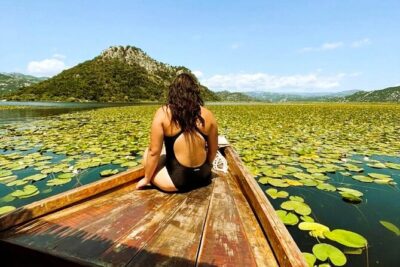
Skadar Lake National Park Guided Boat Tour with Wooden Boat
Read our review →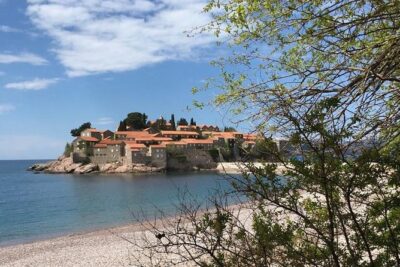
Best from our coast (Kotor bay, Budva, Sv Stefan, Skadar lake)
Read our review →
GREAT MONTENEGRO TOUR Cetinje – Njeguši – Kotor – Budva – Bečići – Saint Stefan
Read our review →
Skadar Lake National Park: Guided Boat Tour to Kom Monastery
Read our review →
Private transfers from Podgorica Airport and city to Budva
Read our review →
Durmitor – Black Lake & Tara River Canyon – North Montenegro tour
Read our review →
Podgorica Historic, Safari and Winery tour – Skadar lake and River Crnojevica
Read our review →
Private Full-Day Tour in Moraca and Tara Canyons, Durmitor & Biogradska Gora NP
Read our review →Browse the lists this tour appears in